I made an AI winter photo, but the snow, lighting, and faces came out looking fake and inconsistent. I’m trying to make it look more realistic for a project, and I need advice on prompts, editing, or tools that can improve winter scenery, skin tones, and overall image quality.
I wanted winter-looking photos without dealing with numb hands, wet shoes, and bad light at 4:30 PM. So I tried the AI route. It worked better than I expected, with a few misses here and there.
Winter photo ideas that tend to work
These setups usually come out decent if your source photos are clear:
Snow in the background
Portraits with falling snow, city sidewalks, empty parks, pine trees, ski-lodge type backdrops. Mountain scenes also hold up well, especially if the app knows how to separate hair from the background. Some do. Some don't.
Cold-weather clothes
Scarves, wool coats, knit sweaters, gloves, beanies. Warm indoor light helps if you want the 'back from the snow' look instead of full outdoor frost mode. I got better results when the original selfie already had soft front lighting.
Holiday setups
String lights, decorated streets, window glow, shopfronts, snow at night. This style leans more festive than seasonal. Good for profile pics in December, less good if you want something plain and low-key.
Minimal winter look
Simple white backgrounds, soft shadows, light snowfall, muted tones. This one usually looks the least fake. If you want a clean avatar or a new header image, I'd start here.
The fast option I used
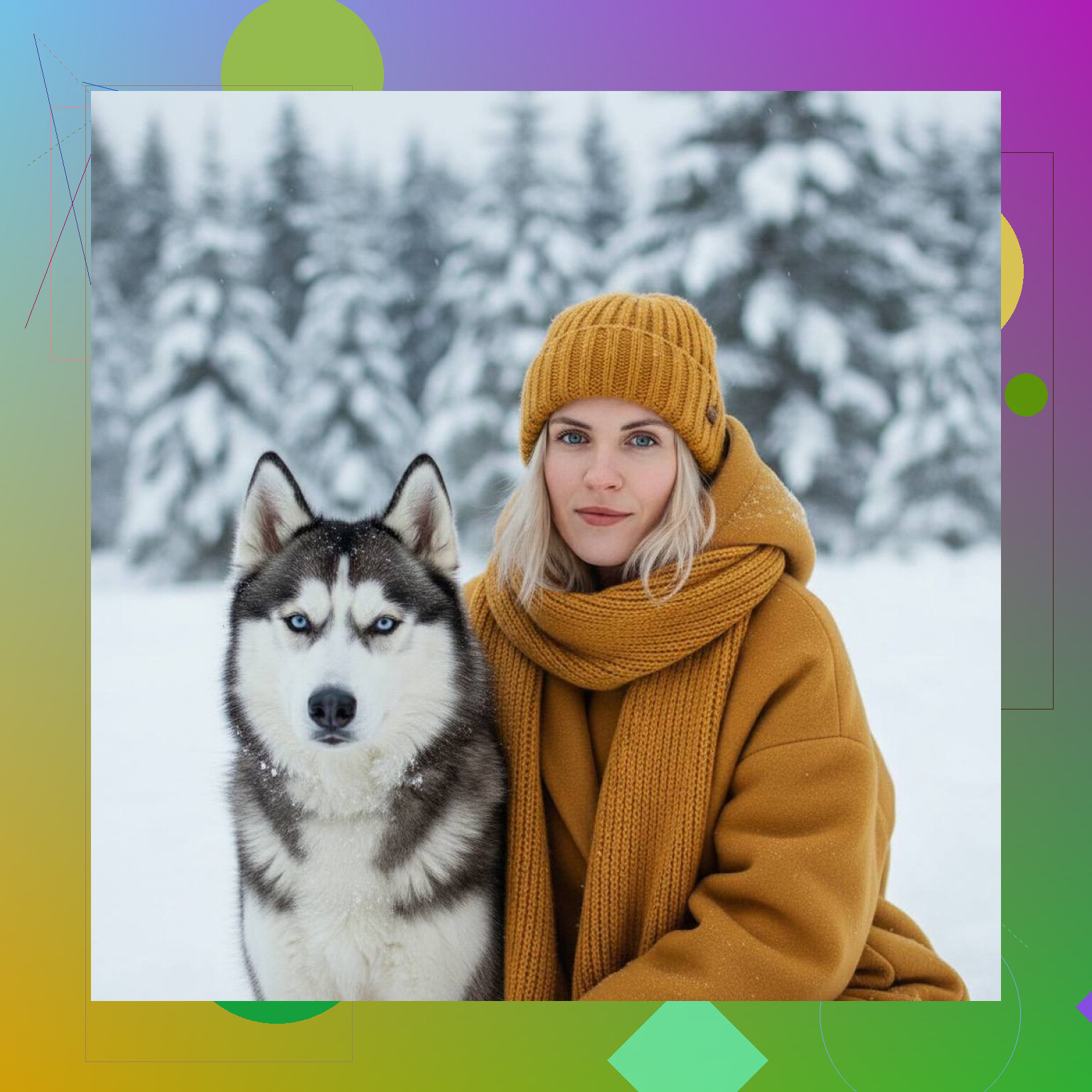
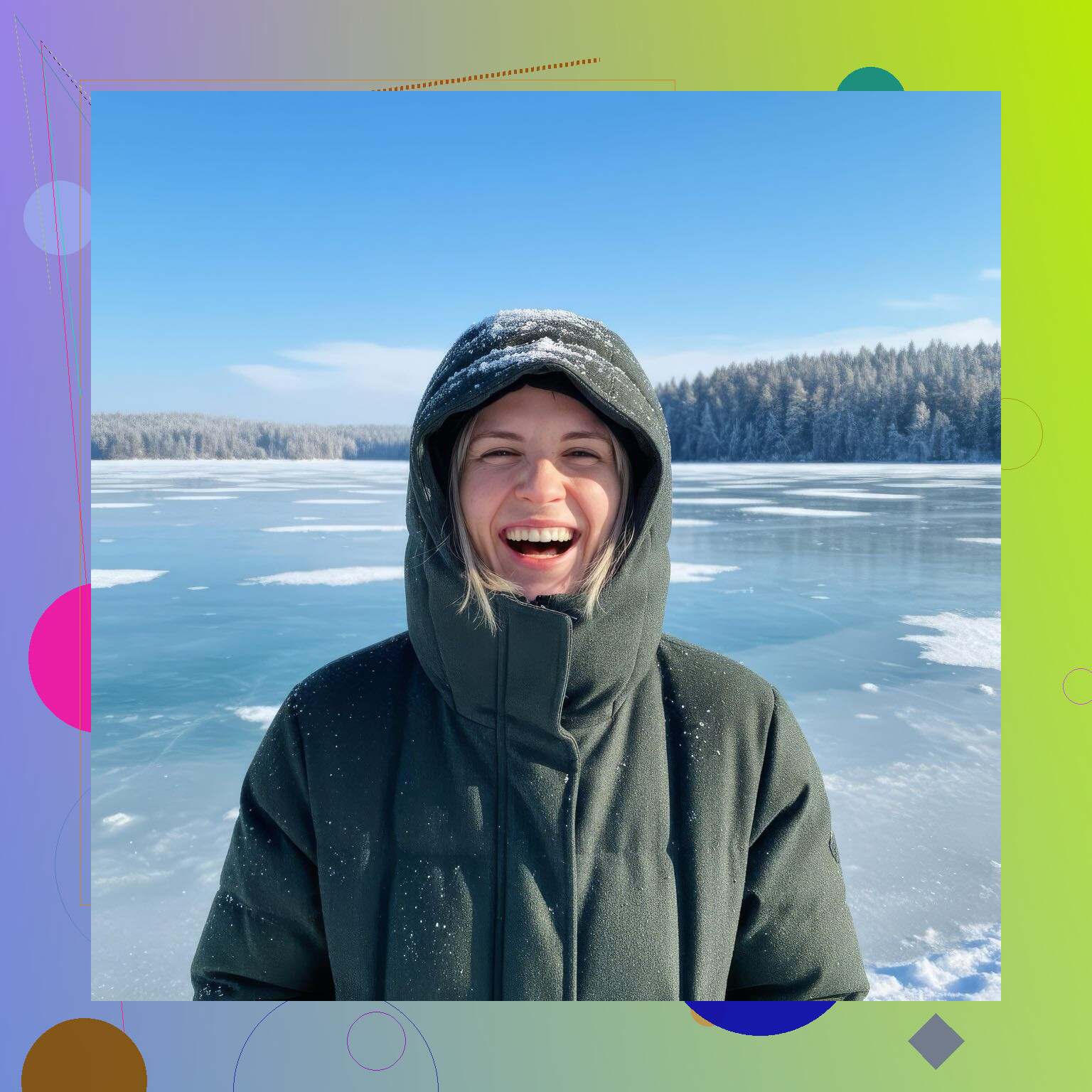
I tested an AI portrait app route first because I didn't want to fiddle with prompts for an hour. Eltima AI Headshot Generator handled seasonal portraits pretty well from a small batch of uploads. I fed it a few normal photos, then it returned different looks, including snowy portraits, winter outfits, and background swaps that looked usable at phone-screen size.
For stuff like social icons, dating profile refreshes, or a quick seasonal profile picture, it felt like the shortest path. You upload, wait, sort the good ones from the weird ones, done.
More details are here: https://mac.eltima.com/ai-headshot-generator-app/
Another route
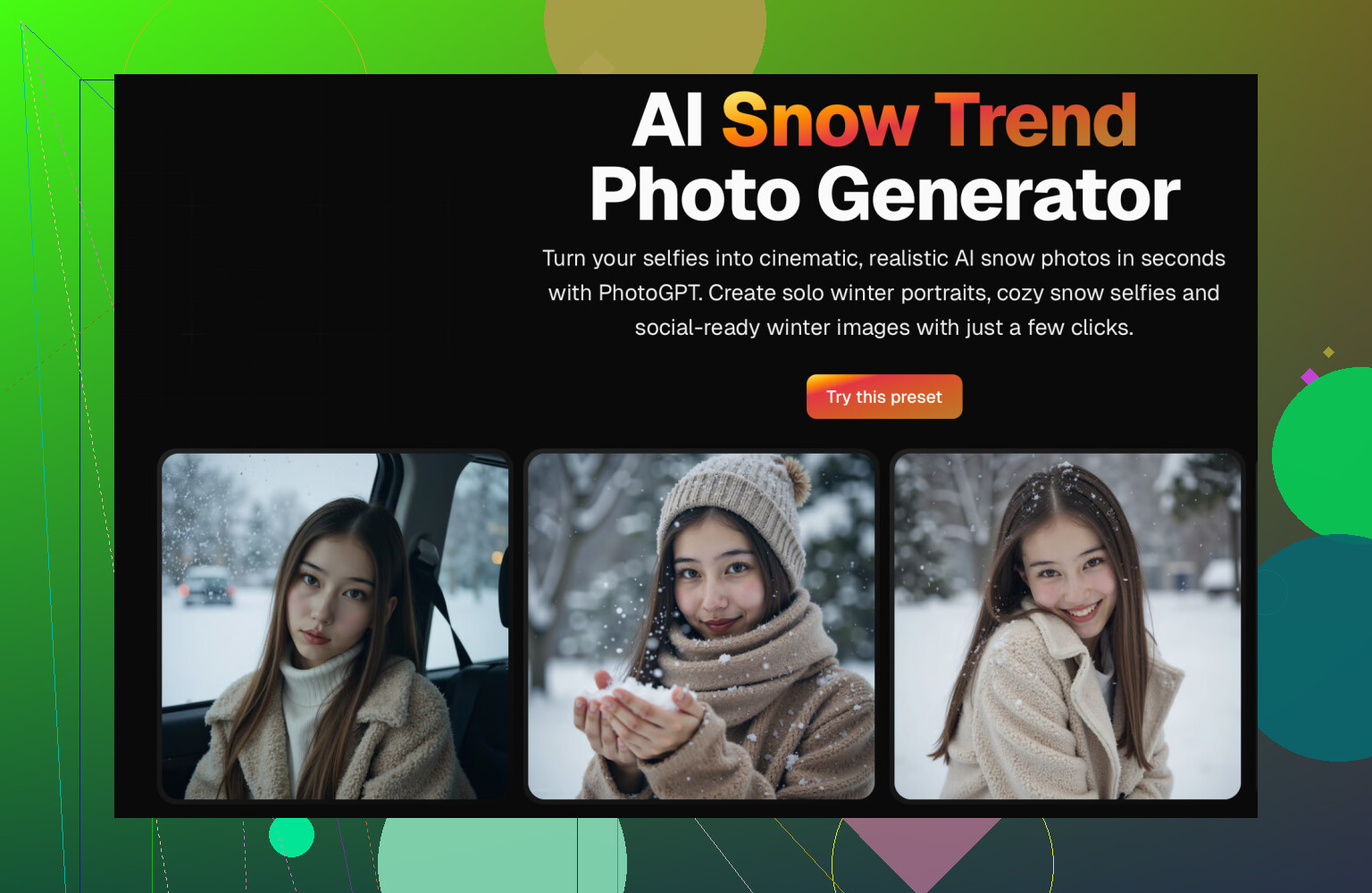
If you already have a photo you like and only want the winter treatment, a preset-based tool makes more sense. The PhotoGPT AI Snowy Winter Preset is aimed at one job, turning normal shots into snowy scenes with colder tones and winter-style effects.
This is better if you don't need a full portrait generator and only want to push an existing image into a winter look. Fewer moving parts. Less guesswork.
What made the biggest difference for me
A few things seemed to matter more than the app itself:
Use photos where your face is clear. Side angles and messy backgrounds gave me odd results.
Start with decent lighting. Dark selfies turned muddy once snow effects got added.
Pick one direction first. Cozy indoor winter and dramatic blizzard portraits don't train the model the same way.
Expect throwaways. I kept maybe 3 out of 20 on one run. Pretty normal, I think.
Why people keep using this stuff
Mostly because it's fast. You get winter-themed shots without waiting for snow, finding a location, or dragging someone outside to take 80 photos while your ears freeze. You also get a bunch of styles from the same source images, which is handy if you want one clean portrait, one holiday-ish pic, and one more dramatic snowy background.
It's not perfect. Hands still get weird sometimes. Fabric details go off. But for quick winter portraits, it does the job.
2 Likes
Your issue sounds less like “wrong tool” and more like mismatch between scene physics and the prompt.
A few fixes I’d try.
-
Control the light first.
Winter light is weak, cool, and directional. If your face has warm indoor skin tones but the background shows blue snow at dusk, it breaks fast. Match color temp. Push highlights slightly blue, keep skin neutral, lower orange saturation a bit. -
Reduce snow density.
A lot of AI images fail because the model throws snow everywhere. Real snow has depth. Some flakes are sharp, most are blurred, many are missing from the face area. Ask for “light snowfall, sparse foreground flakes, distant snow haze” instead of “heavy snowstorm.” -
Lock the face before styling.
If the face keeps changing, use img2img at low denoise, around 0.2 to 0.35 if your tool supports it. Higher values wreck identity. This matters more than people admit. I slightly disagree with @mikeappsreviewer on the “fast app” route for project work. Fine for profile pics, less great when you need consistency across revisions. -
Prompt for camera behavior.
Models fake winter better when you describe lens and exposure, not mood.
Example:
“portrait photo, overcast winter daylight, 85mm lens, shallow depth of field, natural skin texture, soft bounced light on face, light snow on coat and hair, realistic snowfall depth, cold ambient background, neutral white balance” -
Fix in layers.
Generate base portrait first. Add snow later in Photoshop, Photopea, or even Lens Distortions style overlays. Same with breath fog. One-pass generations often look wonky. -
Check hands, ears, hairline, scarf edges at 200 percent.
Those spots snitch on AI fast.
If you want, post your current prompt and I’ll help clean it up.
I’d actually start one step earlier than both @mikeappsreviewer and @waldgeist: fix the reference image, not just the prompt/output.
If your base pic has flat phone-camera lighting, AI winter effects will exaggerate every weak spot. Real winter photos usually have lower sun angle, softer contrast, and a lot less random facial glow. So before generating, retouch the source a bit:
- reduce skin smoothing
- add slight texture back
- darken overly bright cheeks/forehead
- cool the shadows only, not the whole face
Also, snow looks fake when it ignores gravity/wind. Most generators scatter flakes like confetti. You want directional snowfall, some accumulation on shoulders/hat, and almost none crossing the eyes or mouth. That tiny detail helps a lot.
One thing I kinda disagree on with @waldgeist: super detailed camera prompts are useful, but some models start hallucinating “photography words” into weird glossy output. Sometimes shorter prompts work better:
“real outdoor winter portrait, cloudy afternoon, natural skin, sparse falling snow, cold background, subtle snow on clothing, realistic face, no beauty filter”
For tools, I’d split the job:
- generate/repair face
- color grade for winter
- add snow overlay manually
- final sharpen/noise pass
And add a little grain at the end. Weirdly, tiny imperfetions make AI look more real.
I’d handle it like compositing, not pure prompting. That’s where I slightly part ways with @mikeappsreviewer. Fast portrait apps are fine for casual seasonal pics, but if this is for a project, you want control more than speed.
What I’d add beyond @waldgeist and @himmelsjager:
- Match edge behavior, not just color. Fake winter portraits often fail because the subject edges are too clean. Real cold scenes have a little haze, softer coat fibers, and tiny low-contrast transitions around hair.
- Add contact evidence of cold. Not red clown noses, just subtle signs: slightly pink ears, faint frost on dark fabric, a few melted snow specks on shoulders.
- Watch reflections. Snowy scenes bounce light upward. If the underside of the chin and jaw is dark like a studio shot, it reads fake instantly.
- Don’t overcorrect skin. A lot of people push “real texture” so hard that faces become gritty. Winter air usually softens things visually.
My practical workflow:
- Clean face consistency first
- Build winter grade on background separately
- Add only a few flakes near lens
- Paint tiny snow catch points on clothing
- Finish with mild noise and lens softness
Pros of using a dedicated app/tool: fast drafts, easy variations, decent for social-size outputs.
Cons: identity drift, plastic snow, samey lighting, weak detail at full size.
So yes, prompts matter, but realism usually comes from restraint. Too much snow is the fastest way to make it look fake.