I used Decopy AI Humanizer to rewrite AI-generated text, but the results still sounded robotic and a few parts were flagged by AI detectors. I’m trying to find honest Decopy AI Humanizer reviews, real user feedback, and tips on whether it actually works for making content sound human. I need help figuring out if I’m using it wrong or if there’s a better alternative.
Decopy AI Humanizer
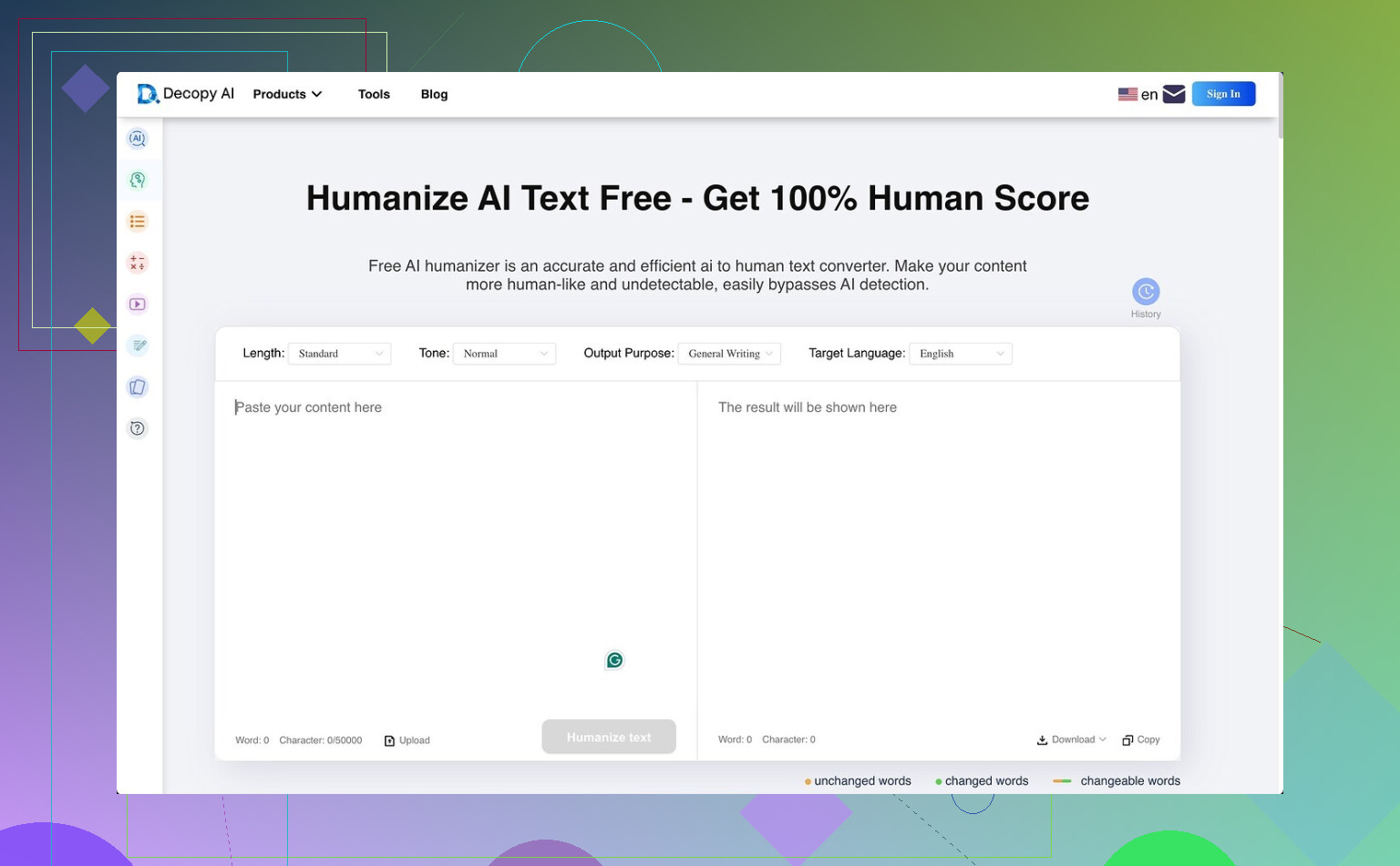
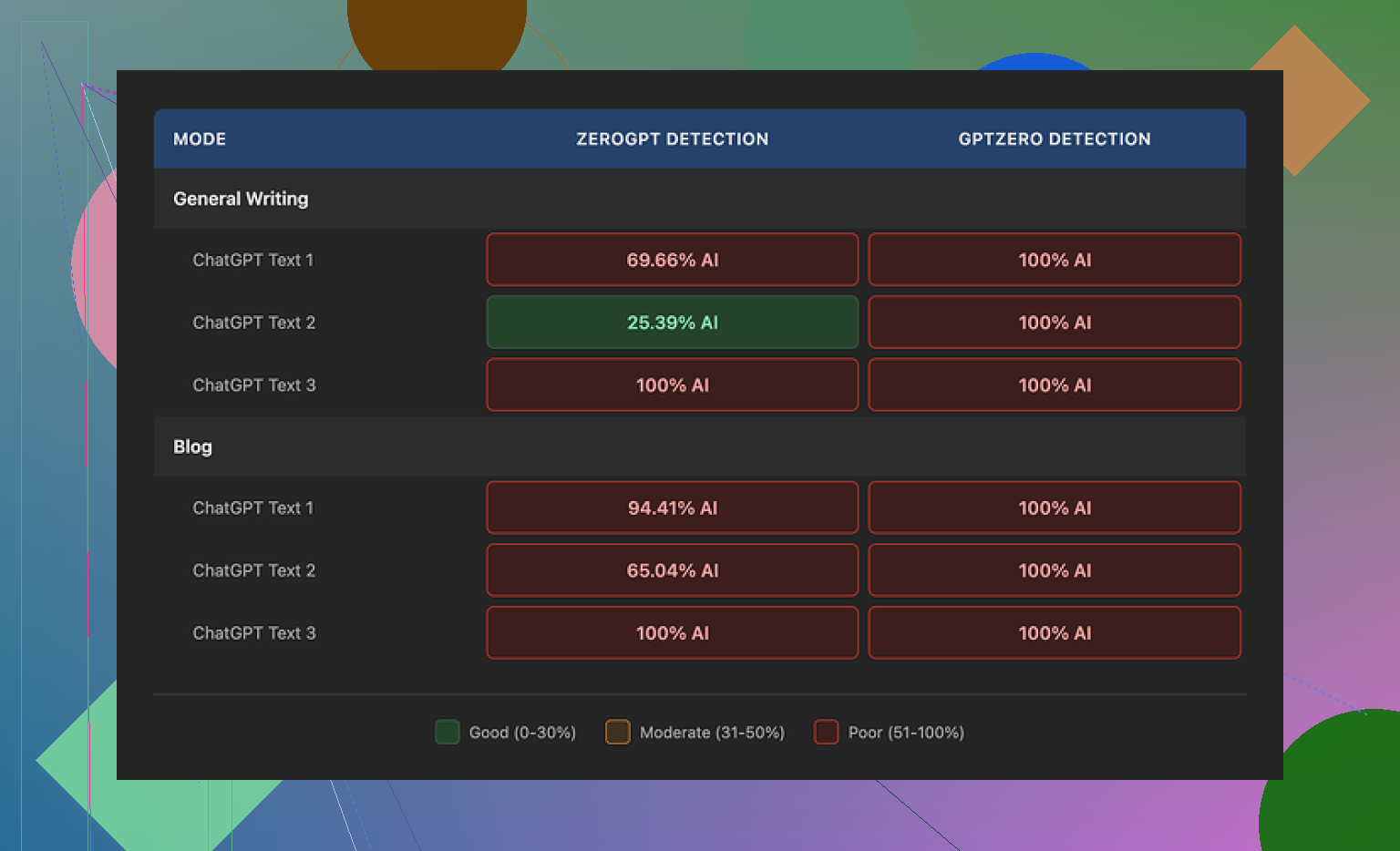
I spent some time with Decopy AI Humanizer, and on paper it looks loaded. You get 500 free runs, up to 50,000 characters in one go, eight tone options, nine purpose presets, and a sentence-by-sentence redo button when one line comes out weird. So yeah, the free tier is huge. The catch showed up when I ran the outputs through detectors. GPTZero flagged every sample as 100% AI in both General Writing and Blog mode. ZeroGPT bounced around more, somewhere between roughly 25% and 100% depending on the text I fed in.
One part I did like, it didn’t wreck grammar. I’ve seen other tools spit out awkward errors for no reason, and Decopy avoided most of that. In my notes, Blog mode came out around 7/10 for readability, and General Writing was a bit better at 7.5/10. Still, the wording felt flattened. Blog mode kept turning normal ideas into stuff a small kid would read. General Writing was less goofy, but it still dropped phrases like “digital stuff” and “totally changing tech,” which felt off if you wanted anything even slightly serious. At least it stayed close to the source length, which saved some cleanup.
I also checked the privacy page. It gives a defined retention window of three months and says it follows GDPR and CCPA rules. What I didn’t find was a plain explanation of what happens to the text you paste into the tool after processing. For me, that missing piece matters more than the compliance labels.
After testing it side by side, Clever AI Humanizer did a better job on output quality and detection resistance, and I didn’t have to pay for it.
10 Likes
I tested Decopy too, and my take is a bit different from @mikeappsreviewer.
The free quota is generous. For quick rewrites, it feels useful. The issue is consistency. One paragraph reads clean, the next one slips into stiff wording. I saw phrases get simplified too much, which makes serious copy sound cheap. If your goal is polished client work, that gets annoying fast.
On detection, I would not trust it for “AI-proof” claims. Detector scores jumped around for me, which tells you the output is unstable. Some passes looked safer, others got flagged hard. So if you need dependable results, Decopy is a weak bet.
What helped more was this:
- Rewrite the opening and closing yourself.
- Replace generic verbs and filler phrases.
- Add one or two specific examples from your own experience.
- Read it out loud. Robotic lines stand out fast.
- Run one section at a time, not the full article.
Privacy also felt a bit fuzzy to me. Retention info exists, but the handling of pasted text was not explained well enogh.
My short review, decent free tool for drafts, poor choice if you need natural voice and stable detector results.
I’m a little less harsh on Decopy than @mikeappsreviewer, but I still wouldn’t call it reliable. It’s decent at keeping grammar intact and not butchering the original meaning, which honestly already puts it above some humanizers I’ve tried. But the voice problem is real. It tends to smooth everything into the same bland, over-explained rhythm, and that’s exactly the kind of pattern detectors sometimes latch onto.
I also think people lean too hard on detector scores. They’re inconsistent by design. If the text still reads robotic to an actual person, that matters more than whether one checker says 12% and another says 78%. That part of @techchizkid’s take felt dead on.
My short version:
- fine for rough cleanup
- weak for nuanced or expert-sounding writing
- not something I’d trust for publish-ready copy without heavy editing
- privacy info felt kinda half-explained
If you want a real test, paste in something with personality, humor, or strong opinions. Decopy usually sands those edges off fast. That was the giveaway for me. Useful tool, sure. “Humanized”? ehhh, not really.
My read lands between @techchizkid and @sognonotturno, and I disagree a bit with @mikeappsreviewer on one point: Decopy is not useless, it is just very narrow.
Pros for Decopy AI Humanizer
- big free allowance
- keeps structure and meaning fairly close
- grammar usually survives
- fast for rough cleanup
Cons
- voice gets flattened
- serious writing turns generic fast
- detector results are all over the place
- privacy explanation feels incomplete
- weak with opinionated or technical copy
Where I think Decopy fails most is not “AI detection” but cadence. The sentences often become evenly paced, over-smoothed, and too safe. Human writing usually has some unevenness, a sharp phrase here, a short sentence there, a weird but precise word choice. Decopy sands that off.
One thing I would do differently from the usual advice: do not just edit the intro and conclusion. Fix the transitions between paragraphs. That is where robotic flow shows up first. If every paragraph starts sounding like it was generated in isolation, readers notice even if detectors do not.
Also, test it on:
- expert content with jargon
- opinion pieces
- humor
- case-study style writing
That exposes its limits fast.
If you need draft cleanup, Decopy AI Humanizer is fine. If you need believable voice, it is a patch tool, not a final tool.